Simple puzzle practice

2–3 ஆண்டுகள்Emotional Wellbeingதேவையானவை: Simple wooden or chunky cardboard puzzles with three to five pieces

Work on a simple three to five piece puzzle with your child. Choose puzzles with large, chunky pieces that fit their developing fine motor skills. When a piece doesn't fit, resist the urge to immediately fix it. Instead, say, 'That one doesn't fit yet. Let's try turning it.' This teaches your child that persistence pays off and that struggle is part of learning. The satisfaction of finally placing a piece builds confidence in their ability to solve problems.

உன் குழந்தைக்கு ஏற்ப தனிப்பயனாக்கப்பட்ட Steadily வளர்ச்சி அத்தியாயத்தின் ஒரு பகுதி.
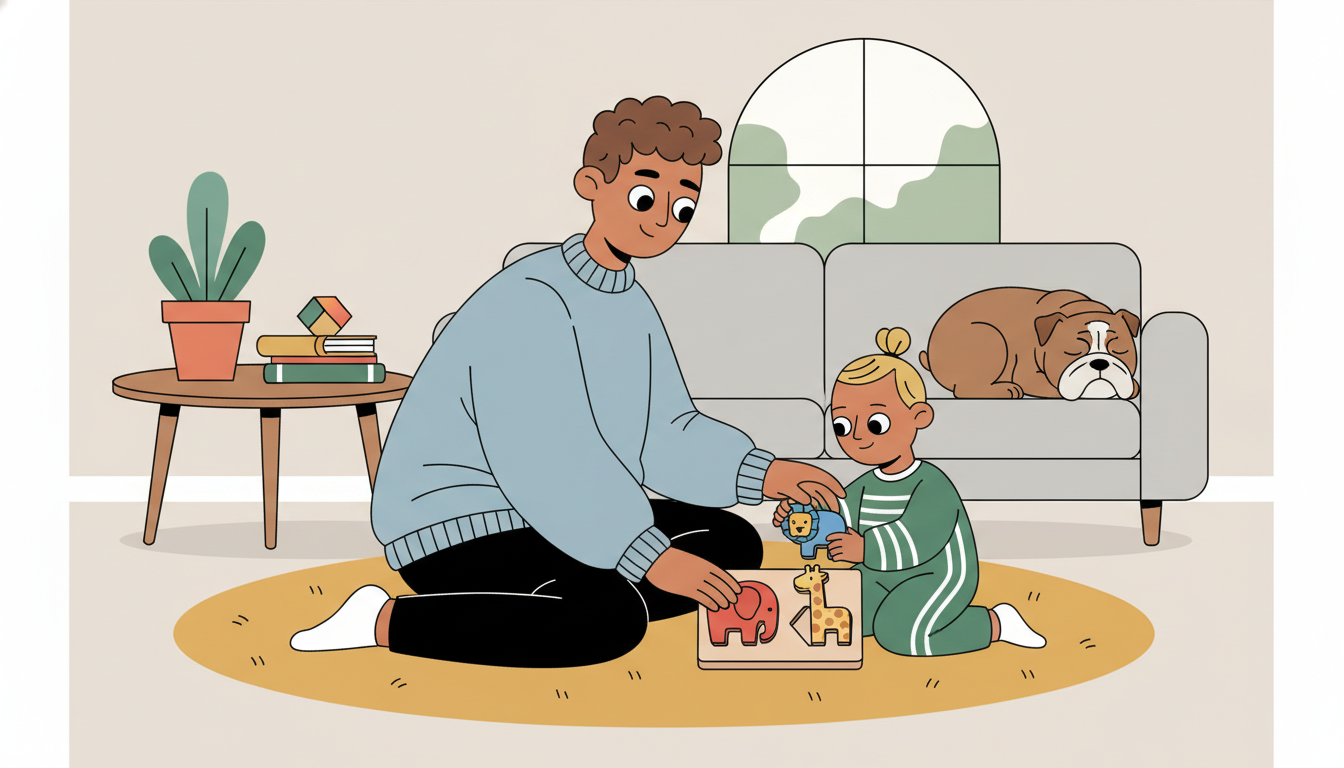
Simple puzzle practice

இந்தச் செயல்பாட்டை எப்படிச் செய்வது

Work on a simple three to five piece puzzle with your child. Choose puzzles with large, chunky pieces that fit their developing fine motor skills. When a piece doesn't fit, resist the urge to immediately fix it. Instead, say, 'That one doesn't fit yet. Let's try turning it.' This teaches your child that persistence pays off and that struggle is part of learning. The satisfaction of finally placing a piece builds confidence in their ability to solve problems.

இது ஏன் வேலை செய்கிறது

Puzzle solving provides the ideal balance of challenge and achievability that builds resilience. Adults with high resilience developed in childhood show a 65% lower risk of anxiety disorders and depression (Masten & Motti-Stefanidi, 2020). By supporting your child through puzzle frustration rather than solving it for them, you help them develop problem-solving skills and emotional regulation that predict better resilience and coping strategies in later childhood.

பெற்றோருக்கான உதவிக்குறிப்புகள்

Start with easier puzzles and gradually increase difficulty as your child succeeds. This builds confidence before adding challenge. When your child struggles, offer hints rather than solutions. Point to the right area or suggest, 'Maybe try a different spot.' Take breaks if frustration builds. Come back to the puzzle later, showing that it's okay to step away and try again.

தேவையான பொருட்கள்

Simple wooden or chunky cardboard puzzles with three to five pieces

கற்றல் முறைகள்

Interactive Play-Based LearningSymbolic and Pretend PlaySocial Learning Through Peers

இந்தச் செயல்பாடு உனக்குப் பிடித்திருக்கிறதா? உனக்காகத் திட்டமிடும் வேலையை நாங்கள் செய்கிறோம்.

Steadily ஒவ்வொரு செயல்பாட்டையும் உனது குழந்தையின் ஆர்வங்கள், அவர்களின் வளர்ச்சி நிலை மற்றும் அவர்கள் வளர்த்துக் கொள்ளும் குணநலன்கள் ஆகியவற்றிற்கு ஏற்ப தனிப்பயனாக்குகிறது — இதனால் விளையாட்டு நேரம் மிகவும் வேடிக்கையாக இருப்பதோடு, ஒவ்வொரு தருணமும் பயனுள்ளதாக அமைகிறது.

Steadily எவ்வாறு செயல்படுகிறது என்பதை அறிந்துகொள் →
