Mistake to learning game
3–4 jaarEmotional WellbeingGeen materialen nodig
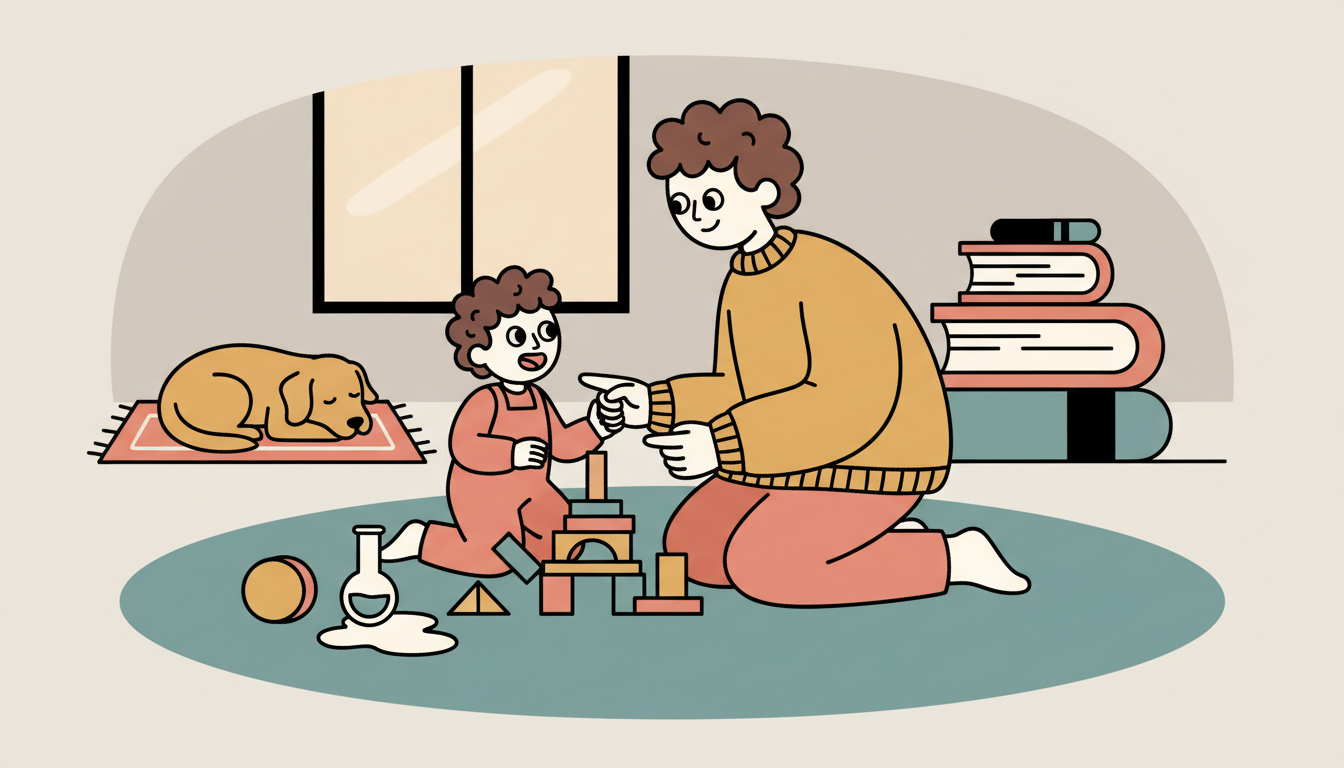
When your child makes a small mistake, frame it as a learning opportunity rather than a failure. Say things like, now we know what happens when we try that, or mistakes help us learn. Ask your child what they discovered and what they might try differently next time. Celebrate the learning that came from the mistake. This helps your child see setbacks as temporary and informative rather than permanent or defining.
Onderdeel van de Steadily ontwikkelingsreis — gepersonaliseerd voor jouw kind.
Hoe doe je deze activiteit
When your child makes a small mistake, frame it as a learning opportunity rather than a failure. Say things like, now we know what happens when we try that, or mistakes help us learn. Ask your child what they discovered and what they might try differently next time. Celebrate the learning that came from the mistake. This helps your child see setbacks as temporary and informative rather than permanent or defining.
Waarom het werkt
Viewing mistakes as temporary and informative rather than permanent failures is central to optimistic explanatory style. Research shows that learned optimism training significantly improves confidence, perseverance, and achievement motivation (Seligman et al., 2009). By reframing mistakes as learning experiences, children develop the resilience and persistence that predict better outcomes across domains.
Tips voor ouders
Model this with your own mistakes too, so your child sees adults using optimistic framing. Keep the tone curious and encouraging, not corrective. Focus on what was learned, not what went wrong.
Benodigde materialen
None
Leermethoden
Narrative and Literacy-Rich ExperiencesInquiry-Based LearningCollaborative and Cooperative Play

Vond je deze activiteit leuk? Laat ons de planning voor je doen.
Steadily personaliseert elke activiteit voor jouw kind — hun interesses, hun fase, de eigenschappen die ze ontwikkelen — zodat speeltijd leuker is en elk moment telt.
Ontdek hoe Steadily werkt →