The frustration practice
4~5세Success Mindset준비물: Materials for chosen challenge such as shoes with laces, small pitcher and cups, or paper and child-safe scissors
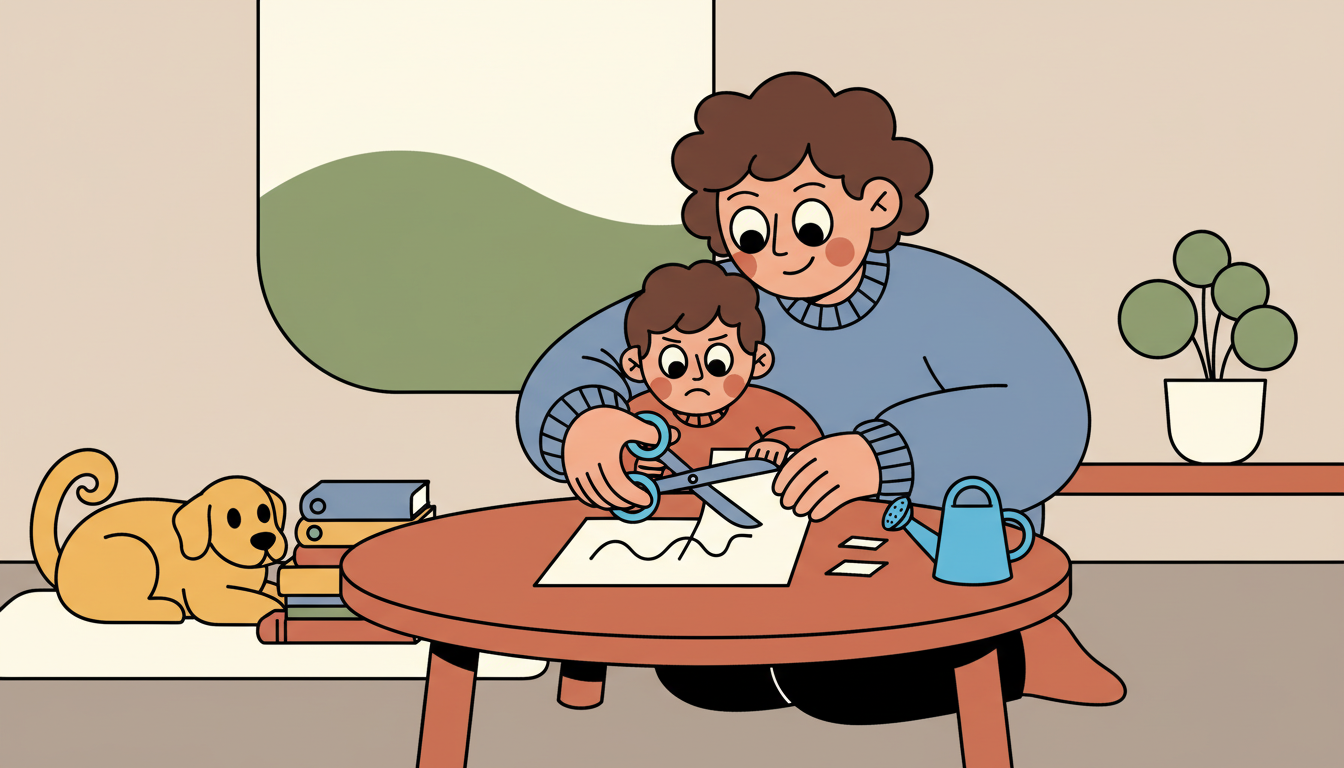
Introduce an activity that is just beyond your child's current ability. It might be tying shoes, pouring water without spilling, or cutting along a curved line. Expect mistakes and plan for them. When frustration appears, name it together. Say 'This is the learning feeling. Your brain is working hard.' Practice for just a few minutes, then stop before meltdown occurs. Return to it the next day. Over time, your child learns that frustration is temporary and practice makes difficult things easier.
우리 아이에게 맞춤 설계된 Steadily 발달 여정의 일부예요.
활동 방법
Introduce an activity that is just beyond your child's current ability. It might be tying shoes, pouring water without spilling, or cutting along a curved line. Expect mistakes and plan for them. When frustration appears, name it together. Say 'This is the learning feeling. Your brain is working hard.' Practice for just a few minutes, then stop before meltdown occurs. Return to it the next day. Over time, your child learns that frustration is temporary and practice makes difficult things easier.
효과가 있는 이유
Learning to work through frustration and boredom is essential for developing grit. Research shows that gritty students are 30-40% more likely to complete challenging tasks, with effects beginning in early childhood through persistence on challenging tasks (Duckworth et al., 2007). By deliberately practicing with difficult tasks in a supported environment, children learn that frustration is a normal part of learning rather than a signal to quit. This aligns with evidence showing that perseverance of effort has stronger correlations with academic achievement than natural ability. Teaching children to recognize and work through frustration builds the perseverance component of grit.
부모를 위한 팁
Keep sessions very short at first. Two to three minutes of productive struggle is better than 15 minutes of tears.
Celebrate small wins within the larger challenge. Notice when they got closer, even if not perfect.
Share stories of things that were once hard for you but became easy with practice.
필요한 준비물
Materials for chosen challenge such as shoes with laces, small pitcher and cups, or paper and child-safe scissors
학습 방식
Project-Based and Thematic LearningGuided Discovery and InquiryMetacognitive Strategies

이번 활동이 마음에 들었어? 계획은 우리가 대신 세워줄게.
Steadily는 아이의 관심사, 발달 단계, 그리고 기르고 있는 특성에 맞춰 모든 활동을 개인화해줘. 덕분에 놀이 시간이 더 즐거워지고 모든 순간이 더욱 가치 있어지지.
Steadily 작동 방식 알아보기 →