Feelings in disagreements
4~5세Family Connection필요한 준비물 없음
When a conflict happens, help your child name their feelings and needs before solving the problem. Ask simple questions like what happened, how they feel, and what they need. Then help them understand the other person's feelings too. This builds the foundation for solving conflicts in ways that respect everyone's emotions. Keep it brief and match your child's emotional state.
우리 아이에게 맞춤 설계된 Steadily 발달 여정의 일부예요.
활동 방법
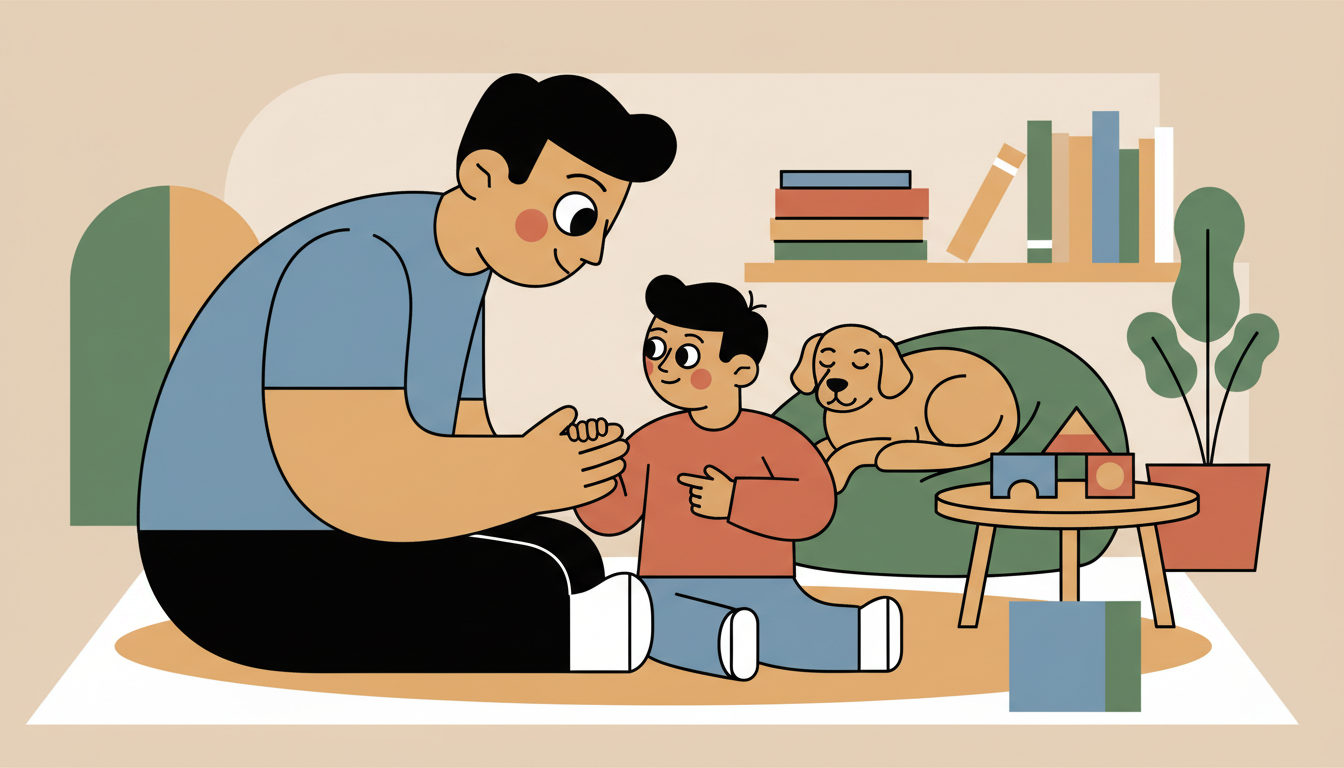
When a conflict happens, help your child name their feelings and needs before solving the problem. Ask simple questions like what happened, how they feel, and what they need. Then help them understand the other person's feelings too. This builds the foundation for solving conflicts in ways that respect everyone's emotions. Keep it brief and match your child's emotional state.
효과가 있는 이유
Adults who effectively manage disagreements with parents report higher relationship satisfaction and 45% lower stress levels, with strong conflict resolution skills significantly predicting positive parent-child relationships into adulthood (Laursen & Collins, 2009). Teaching children to identify emotions and needs during conflicts builds emotional awareness that supports long-term relationship skills. At this age, children are developing metacognitive abilities and can begin reflecting on their own emotional experiences.
부모를 위한 팁
Start with your child's feelings first, then gradually introduce the other perspective.
Use simple feeling words like mad, sad, frustrated, or disappointed.
Validate feelings even when you cannot give them what they want.
필요한 준비물
None
학습 방식
Cooperative LearningMetacognitive StrategiesStructured Academic Learning

이번 활동이 마음에 들었어? 계획은 우리가 대신 세워줄게.
Steadily는 아이의 관심사, 발달 단계, 그리고 기르고 있는 특성에 맞춰 모든 활동을 개인화해줘. 덕분에 놀이 시간이 더 즐거워지고 모든 순간이 더욱 가치 있어지지.
Steadily 작동 방식 알아보기 →