What comes next puzzle
3~4세Success Mindset준비물: Toys, blocks, or drawings of simple objects
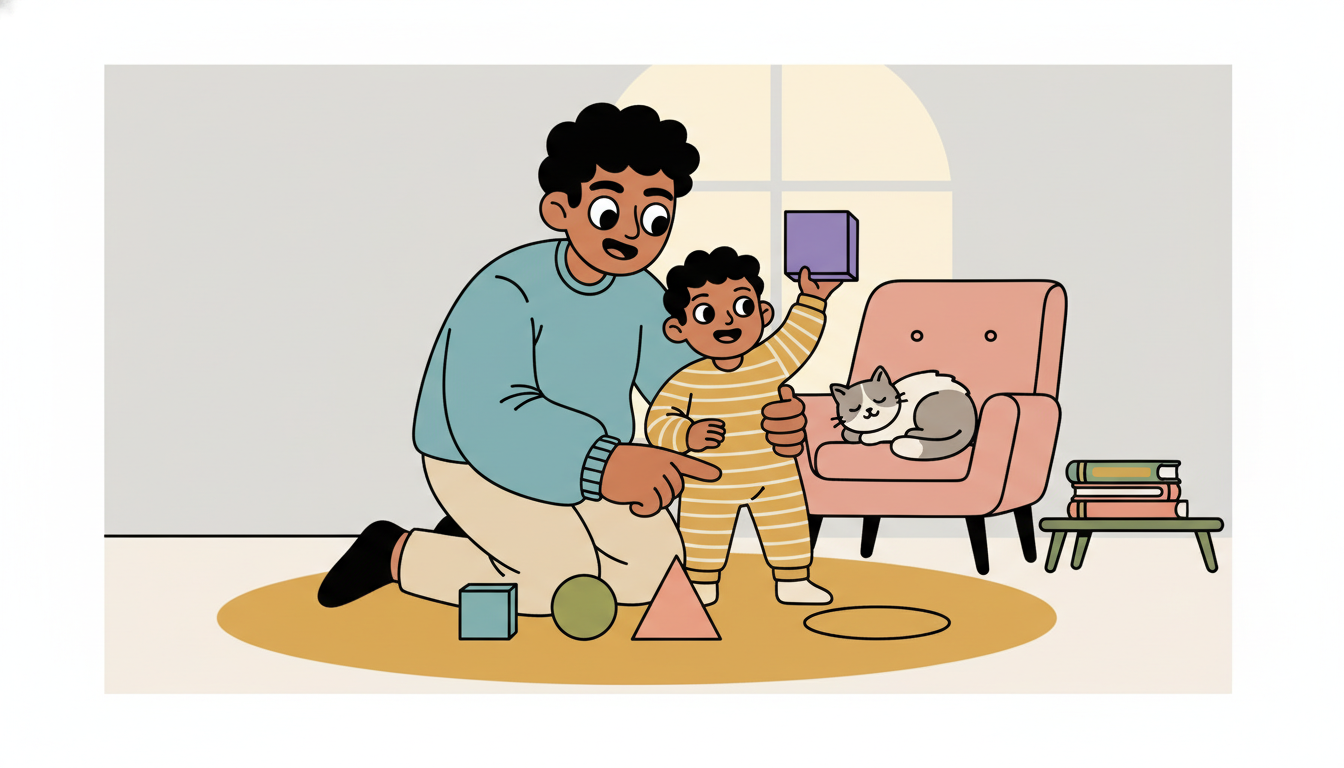
Create simple logic puzzles during quiet time together. Use toys or drawings to make sequences where something is missing. For example, show shoe-sock-shoe and ask what comes next. Or create size sequences with three blocks getting bigger and ask which block comes fourth. This encourages predictive thinking and pattern recognition. Keep it playful and celebrate their reasoning process, not just correct answers.
우리 아이에게 맞춤 설계된 Steadily 발달 여정의 일부예요.
활동 방법
Create simple logic puzzles during quiet time together. Use toys or drawings to make sequences where something is missing. For example, show shoe-sock-shoe and ask what comes next. Or create size sequences with three blocks getting bigger and ask which block comes fourth. This encourages predictive thinking and pattern recognition. Keep it playful and celebrate their reasoning process, not just correct answers.
효과가 있는 이유
Predictive thinking and logical reasoning are key components of fluid intelligence that develop rapidly during ages three to four. These problem-solving activities strengthen working memory and attention control, which research shows make unique contributions to emergent literacy and numeracy skills and predict kindergarten achievement (Welsh, Nix, Blair, Bierman, & Nelson, 2010). Building these cognitive foundations supports long-term intellectual development.
부모를 위한 팁
Make it concrete with objects your child can touch and manipulate.
Ask your child to explain their thinking. This builds verbal reasoning skills.
If they struggle, give hints by pointing out the pattern you see together.
필요한 준비물
Toys, blocks, or drawings of simple objects
학습 방식
Inquiry-Based LearningStructured Learning ActivitiesNarrative and Literacy-Rich Experiences

이번 활동이 마음에 들었어? 계획은 우리가 대신 세워줄게.
Steadily는 아이의 관심사, 발달 단계, 그리고 기르고 있는 특성에 맞춰 모든 활동을 개인화해줘. 덕분에 놀이 시간이 더 즐거워지고 모든 순간이 더욱 가치 있어지지.
Steadily 작동 방식 알아보기 →