Emotion check-in
2–3 ವರ್ಷಗಳುEmotional Wellbeingಯಾವುದೇ ಸಾಮಗ್ರಿಗಳ ಅಗತ್ಯವಿಲ್ಲ
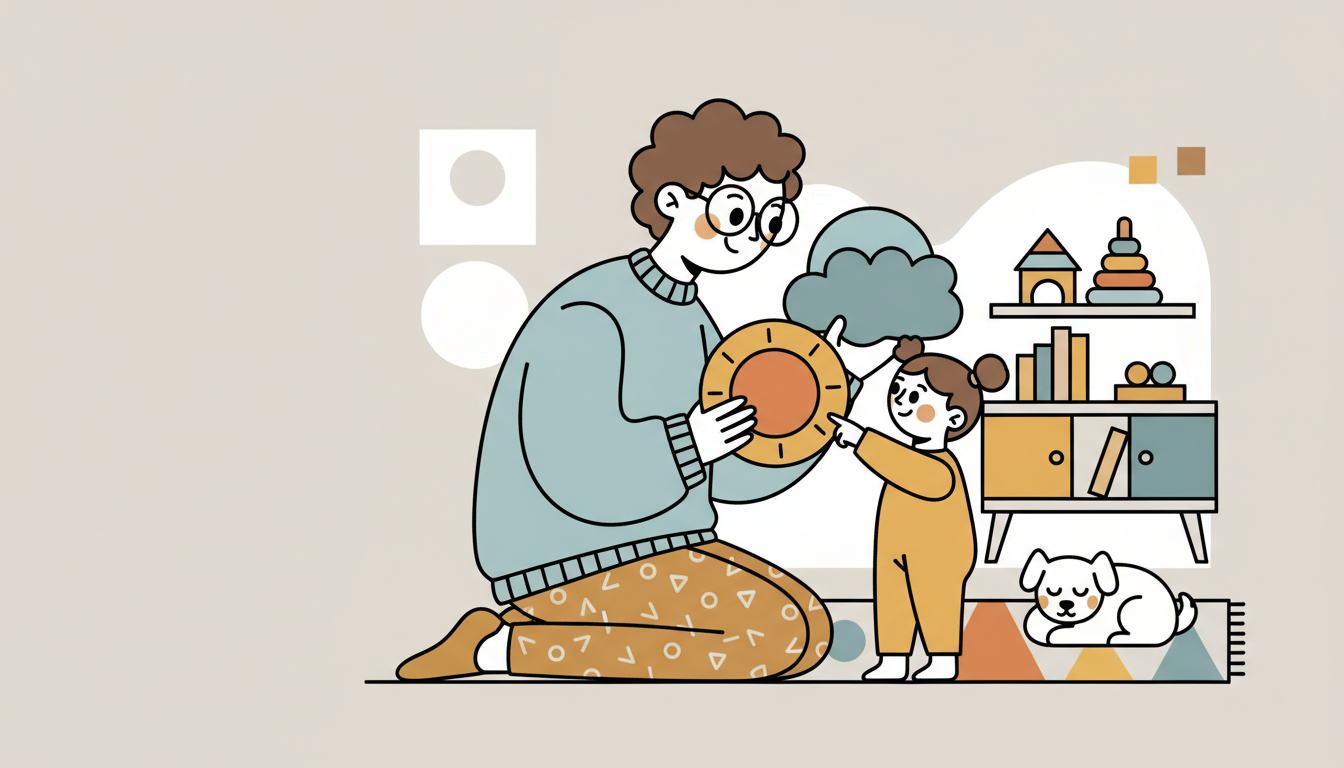
Build a routine of asking your child how they're feeling at regular times during the day. Use simple choices like 'Are you feeling happy or tired right now?' Accept whatever answer they give and name it back to them.
ನಿನ್ನ ಮಗುವಿಗೆ ತಕ್ಕಂತೆ ವೈಯಕ್ತೀಕರಿಸಿದ Steadily ಬೆಳವಣಿಗೆಯ ಪ್ರಯಾಣದ ಭಾಗ.
ಈ ಚಟುವಟಿಕೆಯನ್ನು ಹೇಗೆ ಮಾಡುವುದು
Build a routine of asking your child how they're feeling at regular times during the day. Use simple choices like 'Are you feeling happy or tired right now?' Accept whatever answer they give and name it back to them.
This brief practice helps your child develop self-awareness by tuning into their internal emotional state. It normalizes talking about feelings as part of everyday life.
ಇದು ಏಕೆ ಕೆಲಸ ಮಾಡುತ್ತದೆ
Self-awareness is the foundational component of emotional intelligence (Goleman, 1995). Children whose emotions were acknowledged and labeled by parents at age 2-3 showed significantly better emotional regulation at age 4-5, and emotion coaching at this age predicted fewer behavior problems in elementary school (Goleman, 1995). This practice builds intrapersonal emotional intelligence, which research shows is linked to academic motivation (Mayer et al., 1999).
ಪೋಷಕರಿಗೆ ಸಲಹೆಗಳು
Share your own feelings too. You might say, 'I'm feeling a little tired right now.'
Don't correct their answer. If they say they're happy when they seem sad, just reflect it back. Self-awareness takes time to develop.
ಅಗತ್ಯವಿರುವ ಸಾಮಗ್ರಿಗಳು
None
ಕಲಿಕೆಯ ವಿಧಾನಗಳು
Symbolic and Pretend PlaySongs, Stories, and RhymesSocial Learning Through Peers

ಈ ಚಟುವಟಿಕೆ ನಿನಗೆ ಇಷ್ಟವಾಯಿತೇ? ನಿನಗಾಗುವ ಯೋಜನೆಯನ್ನು ನಾವೇ ಮಾಡುತ್ತೇವೆ.
Steadily ಪ್ರತಿಯೊಂದು ಚಟುವಟಿಕೆಯನ್ನು ನಿನ್ನ ಮಗುವಿಗೆ ತಕ್ಕಂತೆ ವೈಯಕ್ತೀಕರಿಸುತ್ತದೆ — ಅವರ ಆಸಕ್ತಿಗಳು, ಅವರ ಹಂತ, ಅವರು ಬೆಳೆಸಿಕೊಳ್ಳುತ್ತಿರುವ ಗುಣಲಕ್ಷಣಗಳು — ಇದರಿಂದ ಆಟದ ಸಮಯವು ಹೆಚ್ಚು ಮೋಜಿನದಾಗಿರುತ್ತದೆ ಮತ್ತು ಪ್ರತಿ ಕ್ಷಣವೂ ಅತ್ಯಂತ ಅಮೂಲ್ಯವಾಗಿರುತ್ತದೆ.
Steadily ಹೇಗೆ ಕೆಲಸ ಮಾಡುತ್ತದೆ ಎಂದು ತಿಳಿ →