Name feelings together
0–6 ತಿಂಗಳುಗಳುFamily Connectionಯಾವುದೇ ಸಾಮಗ್ರಿಗಳ ಅಗತ್ಯವಿಲ್ಲ
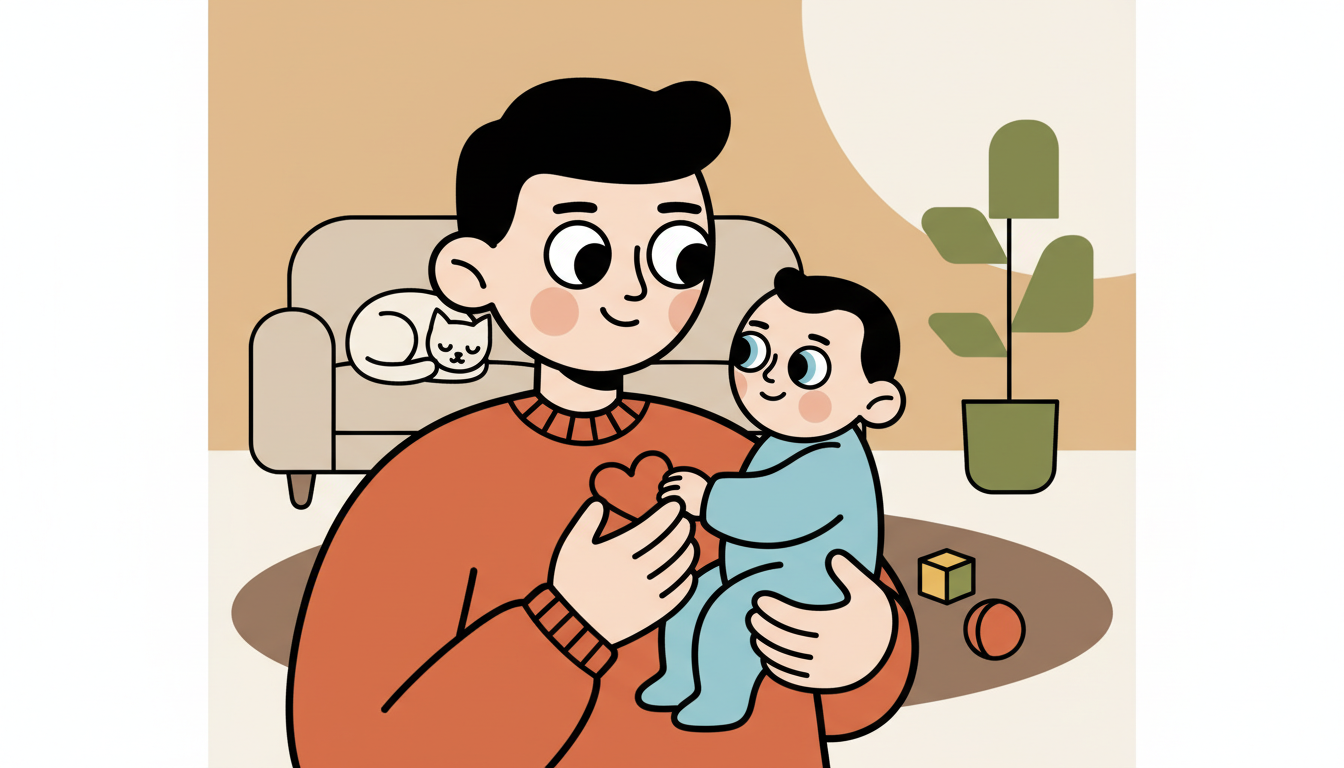
When your child cries or fusses, name what they might be feeling. Say things like "You seem frustrated" or "I hear you're upset." This begins their journey of understanding emotions. When you name feelings calmly, you show that emotions are manageable and can be talked about.
ನಿನ್ನ ಮಗುವಿಗೆ ತಕ್ಕಂತೆ ವೈಯಕ್ತೀಕರಿಸಿದ Steadily ಬೆಳವಣಿಗೆಯ ಪ್ರಯಾಣದ ಭಾಗ.
ಈ ಚಟುವಟಿಕೆಯನ್ನು ಹೇಗೆ ಮಾಡುವುದು
When your child cries or fusses, name what they might be feeling. Say things like "You seem frustrated" or "I hear you're upset." This begins their journey of understanding emotions. When you name feelings calmly, you show that emotions are manageable and can be talked about.
ಇದು ಏಕೆ ಕೆಲಸ ಮಾಡುತ್ತದೆ
Naming emotions during distress builds emotional awareness that underlies conflict resolution. When children learn to identify and express feelings, they develop skills for managing disagreements. Research shows children who learn these skills early demonstrate 40% better social competence and leadership abilities (Johnson & Johnson, 1996).
ಪೋಷಕರಿಗೆ ಸಲಹೆಗಳು
Use a calm, matter-of-fact tone when naming emotions.
You don't need to fix the feeling, just acknowledge it.
This simple practice helps your child begin to understand their internal experiences.
ಅಗತ್ಯವಿರುವ ಸಾಮಗ್ರಿಗಳು
None
ಕಲಿಕೆಯ ವಿಧಾನಗಳು
Responsive Interaction

ಈ ಚಟುವಟಿಕೆ ನಿನಗೆ ಇಷ್ಟವಾಯಿತೇ? ನಿನಗಾಗುವ ಯೋಜನೆಯನ್ನು ನಾವೇ ಮಾಡುತ್ತೇವೆ.
Steadily ಪ್ರತಿಯೊಂದು ಚಟುವಟಿಕೆಯನ್ನು ನಿನ್ನ ಮಗುವಿಗೆ ತಕ್ಕಂತೆ ವೈಯಕ್ತೀಕರಿಸುತ್ತದೆ — ಅವರ ಆಸಕ್ತಿಗಳು, ಅವರ ಹಂತ, ಅವರು ಬೆಳೆಸಿಕೊಳ್ಳುತ್ತಿರುವ ಗುಣಲಕ್ಷಣಗಳು — ಇದರಿಂದ ಆಟದ ಸಮಯವು ಹೆಚ್ಚು ಮೋಜಿನದಾಗಿರುತ್ತದೆ ಮತ್ತು ಪ್ರತಿ ಕ್ಷಣವೂ ಅತ್ಯಂತ ಅಮೂಲ್ಯವಾಗಿರುತ್ತದೆ.
Steadily ಹೇಗೆ ಕೆಲಸ ಮಾಡುತ್ತದೆ ಎಂದು ತಿಳಿ →