Feelings in disagreements
4–5歳Family Connection特別な道具は必要ありません
When a conflict happens, help your child name their feelings and needs before solving the problem. Ask simple questions like what happened, how they feel, and what they need. Then help them understand the other person's feelings too. This builds the foundation for solving conflicts in ways that respect everyone's emotions. Keep it brief and match your child's emotional state.
Steadilyの発達の旅の一部 — わが子に合わせてパーソナライズされているよ。
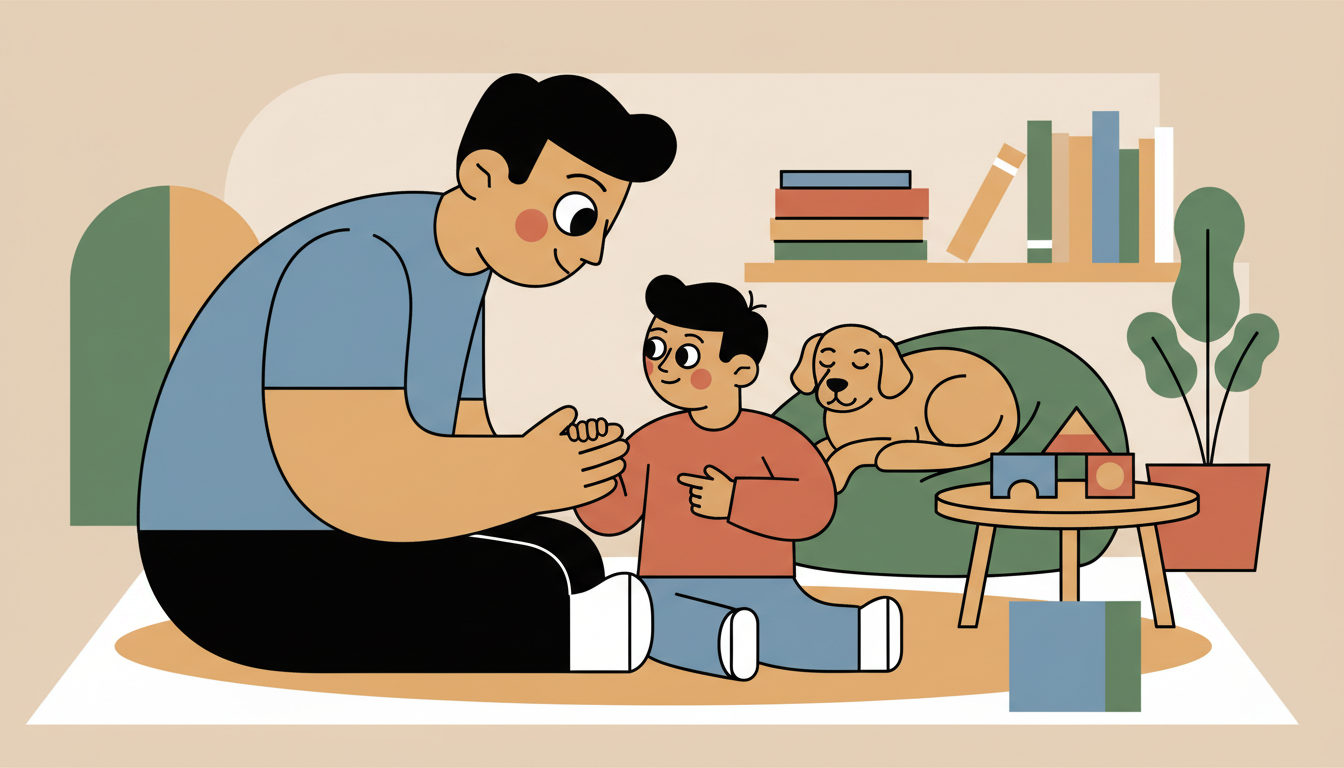
このアクティビティのやり方
When a conflict happens, help your child name their feelings and needs before solving the problem. Ask simple questions like what happened, how they feel, and what they need. Then help them understand the other person's feelings too. This builds the foundation for solving conflicts in ways that respect everyone's emotions. Keep it brief and match your child's emotional state.
効果がある理由
Adults who effectively manage disagreements with parents report higher relationship satisfaction and 45% lower stress levels, with strong conflict resolution skills significantly predicting positive parent-child relationships into adulthood (Laursen & Collins, 2009). Teaching children to identify emotions and needs during conflicts builds emotional awareness that supports long-term relationship skills. At this age, children are developing metacognitive abilities and can begin reflecting on their own emotional experiences.
パパ・ママへのヒント
Start with your child's feelings first, then gradually introduce the other perspective.
Use simple feeling words like mad, sad, frustrated, or disappointed.
Validate feelings even when you cannot give them what they want.
用意するもの
None
学びの手法
Cooperative LearningMetacognitive StrategiesStructured Academic Learning

このアクティビティ、楽しめた?これからの計画は私たちに任せて。
Steadilyはお子さんに合わせてすべてのアクティビティをパーソナライズするよ — 興味や発達段階、今伸ばしている特性に合わせて。だから、遊びの時間がもっと楽しくなって、一瞬一瞬が大切なものになるんだ。
Steadilyの仕組みを見る →