What comes next puzzle
3–4歳Success Mindset用意するもの: Toys, blocks, or drawings of simple objects
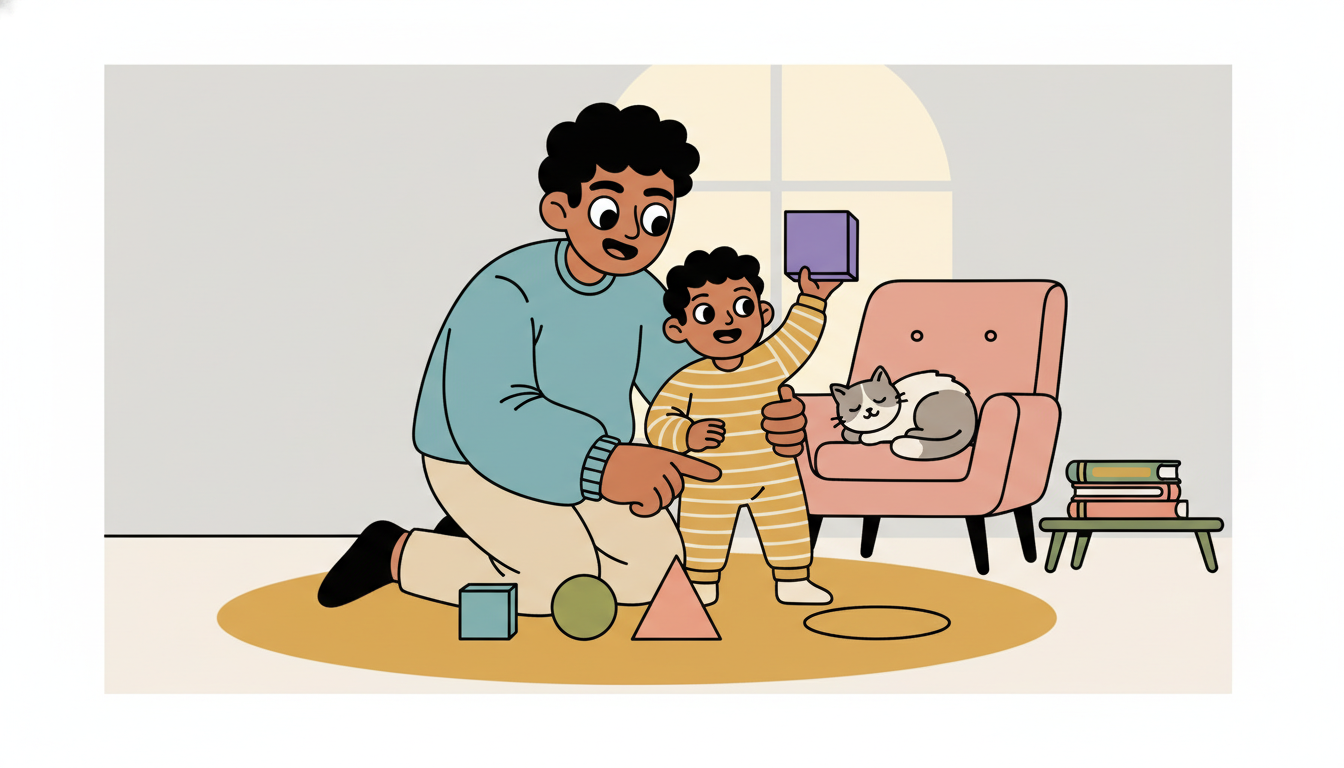
Create simple logic puzzles during quiet time together. Use toys or drawings to make sequences where something is missing. For example, show shoe-sock-shoe and ask what comes next. Or create size sequences with three blocks getting bigger and ask which block comes fourth. This encourages predictive thinking and pattern recognition. Keep it playful and celebrate their reasoning process, not just correct answers.
Steadilyの発達の旅の一部 — わが子に合わせてパーソナライズされているよ。
このアクティビティのやり方
Create simple logic puzzles during quiet time together. Use toys or drawings to make sequences where something is missing. For example, show shoe-sock-shoe and ask what comes next. Or create size sequences with three blocks getting bigger and ask which block comes fourth. This encourages predictive thinking and pattern recognition. Keep it playful and celebrate their reasoning process, not just correct answers.
効果がある理由
Predictive thinking and logical reasoning are key components of fluid intelligence that develop rapidly during ages three to four. These problem-solving activities strengthen working memory and attention control, which research shows make unique contributions to emergent literacy and numeracy skills and predict kindergarten achievement (Welsh, Nix, Blair, Bierman, & Nelson, 2010). Building these cognitive foundations supports long-term intellectual development.
パパ・ママへのヒント
Make it concrete with objects your child can touch and manipulate.
Ask your child to explain their thinking. This builds verbal reasoning skills.
If they struggle, give hints by pointing out the pattern you see together.
用意するもの
Toys, blocks, or drawings of simple objects
学びの手法
Inquiry-Based LearningStructured Learning ActivitiesNarrative and Literacy-Rich Experiences

このアクティビティ、楽しめた?これからの計画は私たちに任せて。
Steadilyはお子さんに合わせてすべてのアクティビティをパーソナライズするよ — 興味や発達段階、今伸ばしている特性に合わせて。だから、遊びの時間がもっと楽しくなって、一瞬一瞬が大切なものになるんだ。
Steadilyの仕組みを見る →