Mistake to learning game
3–4歳Emotional Wellbeing特別な道具は必要ありません
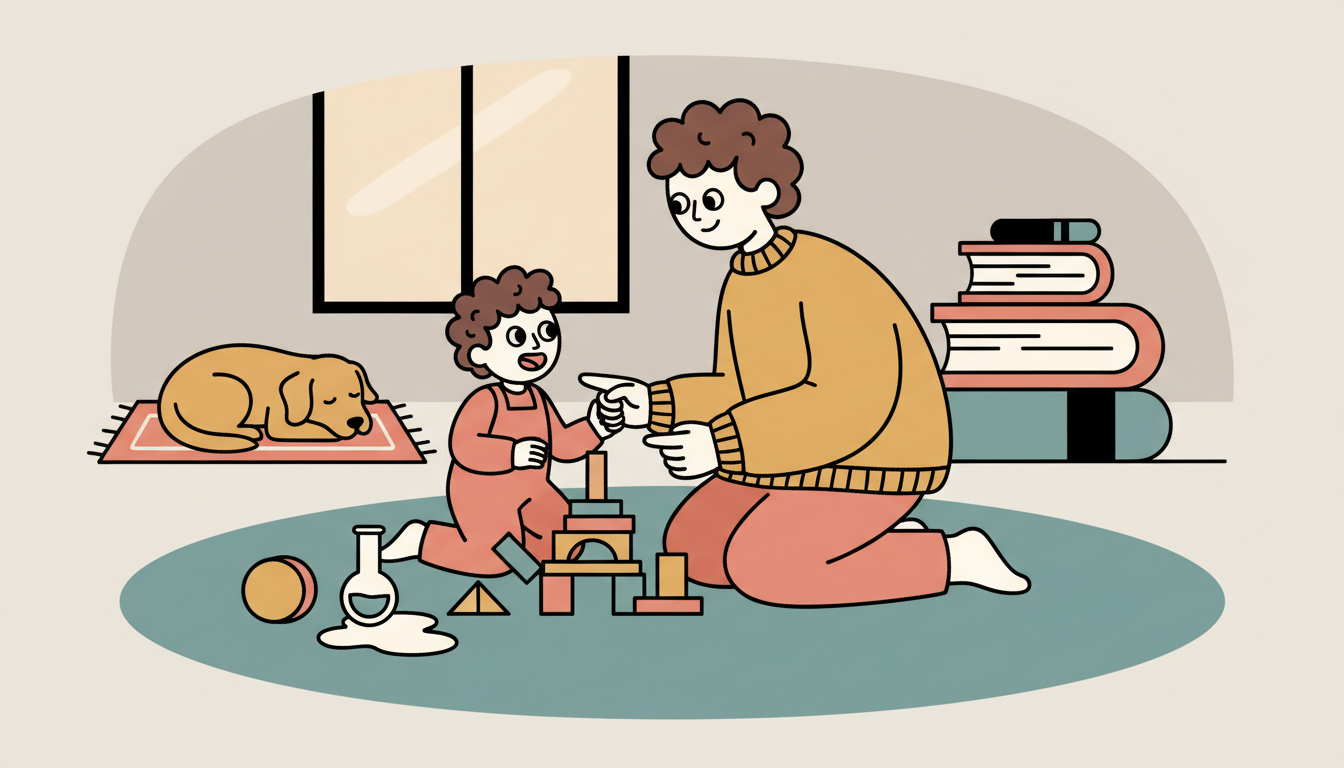
When your child makes a small mistake, frame it as a learning opportunity rather than a failure. Say things like, now we know what happens when we try that, or mistakes help us learn. Ask your child what they discovered and what they might try differently next time. Celebrate the learning that came from the mistake. This helps your child see setbacks as temporary and informative rather than permanent or defining.
Steadilyの発達の旅の一部 — わが子に合わせてパーソナライズされているよ。
このアクティビティのやり方
When your child makes a small mistake, frame it as a learning opportunity rather than a failure. Say things like, now we know what happens when we try that, or mistakes help us learn. Ask your child what they discovered and what they might try differently next time. Celebrate the learning that came from the mistake. This helps your child see setbacks as temporary and informative rather than permanent or defining.
効果がある理由
Viewing mistakes as temporary and informative rather than permanent failures is central to optimistic explanatory style. Research shows that learned optimism training significantly improves confidence, perseverance, and achievement motivation (Seligman et al., 2009). By reframing mistakes as learning experiences, children develop the resilience and persistence that predict better outcomes across domains.
パパ・ママへのヒント
Model this with your own mistakes too, so your child sees adults using optimistic framing. Keep the tone curious and encouraging, not corrective. Focus on what was learned, not what went wrong.
用意するもの
None
学びの手法
Narrative and Literacy-Rich ExperiencesInquiry-Based LearningCollaborative and Cooperative Play

このアクティビティ、楽しめた?これからの計画は私たちに任せて。
Steadilyはお子さんに合わせてすべてのアクティビティをパーソナライズするよ — 興味や発達段階、今伸ばしている特性に合わせて。だから、遊びの時間がもっと楽しくなって、一瞬一瞬が大切なものになるんだ。
Steadilyの仕組みを見る →