Good things treasure hunt
3–4歳Emotional Wellbeing特別な道具は必要ありません
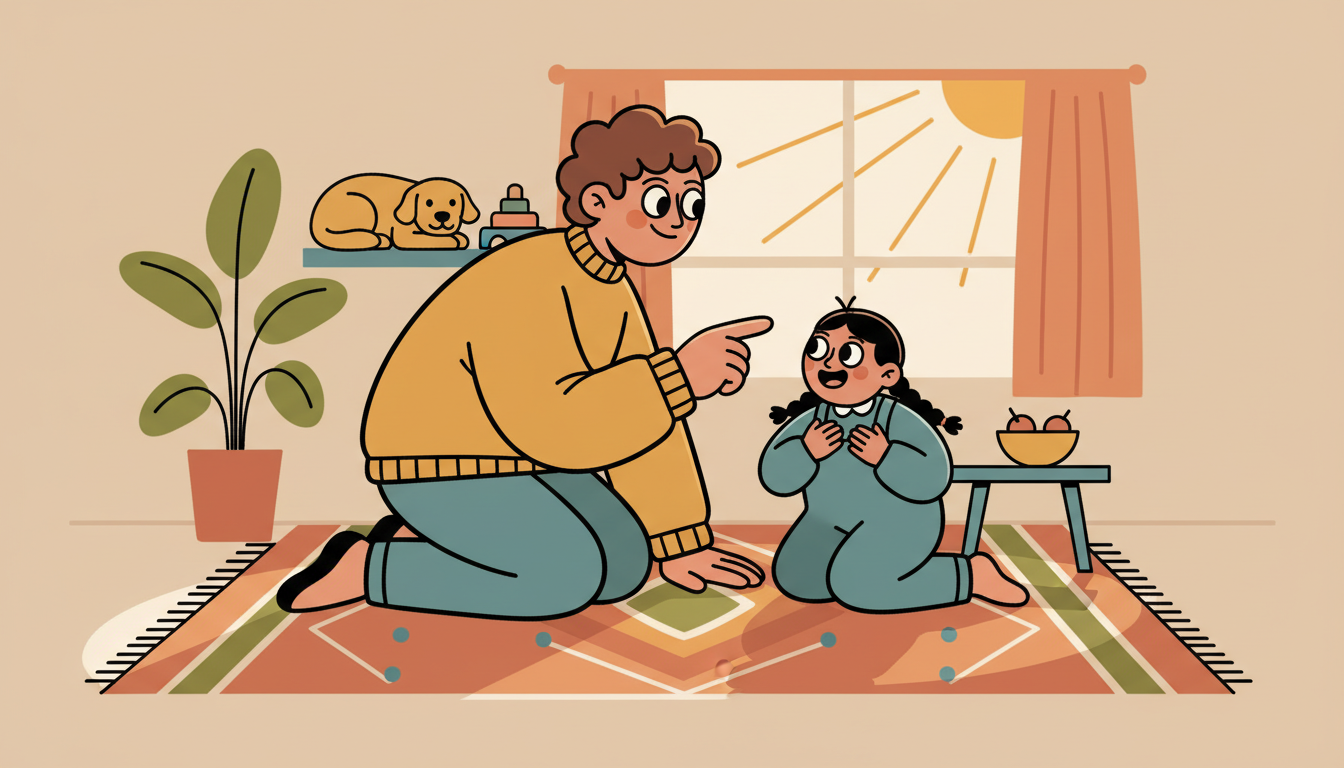
Create a fun hunt where you and your child search for good things that happened today. Walk around your home together and point out positive moments. Your child might find their favorite toy, remember a fun snack, or notice a sunny window. After finding three to five good things, sit together and talk about why each one made you happy. This activity helps your child practice noticing positive experiences in everyday life.
Steadilyの発達の旅の一部 — わが子に合わせてパーソナライズされているよ。
このアクティビティのやり方
Create a fun hunt where you and your child search for good things that happened today. Walk around your home together and point out positive moments. Your child might find their favorite toy, remember a fun snack, or notice a sunny window. After finding three to five good things, sit together and talk about why each one made you happy. This activity helps your child practice noticing positive experiences in everyday life.
効果がある理由
This activity builds optimistic thinking patterns by training children to actively notice positive experiences. Research shows that optimism is linked to higher life satisfaction and better health outcomes, and students with optimistic dispositions demonstrate resilience when viewing challenges as surmountable (Carver, C. S., Scheier, M. F., & Segerstrom, S. C., 2010). By practicing gratitude and focusing on good things, children develop the habit of positive attention that supports lasting optimism.
パパ・ママへのヒント
Start by modeling with your own example to show how it works. If your child struggles to find good things, gently guide them by asking about meals, playtime, or moments with family. Keep the tone light and playful, celebrating each discovery with a smile.
用意するもの
None
学びの手法
Narrative and Literacy-Rich ExperiencesInquiry-Based LearningCollaborative and Cooperative Play

このアクティビティ、楽しめた?これからの計画は私たちに任せて。
Steadilyはお子さんに合わせてすべてのアクティビティをパーソナライズするよ — 興味や発達段階、今伸ばしている特性に合わせて。だから、遊びの時間がもっと楽しくなって、一瞬一瞬が大切なものになるんだ。
Steadilyの仕組みを見る →