Feelings and truth talk
2–3 anniSuccess MindsetNessun materiale necessario
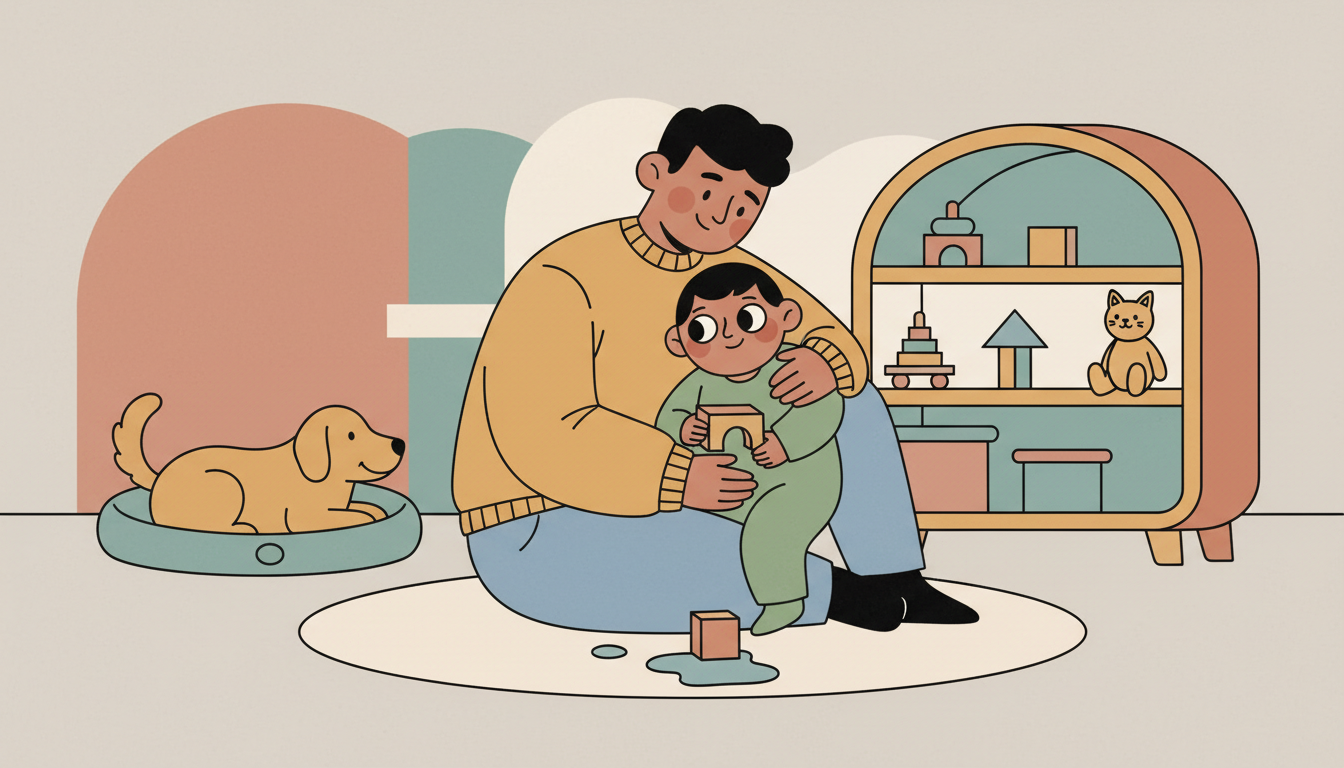
When situations arise during play where your child might be tempted to hide the truth, acknowledge their feelings first. You might say, "I see you're worried about telling me you spilled something. It's okay to tell me." Keep your tone calm and supportive. Then praise them when they share what happened.
Parte del percorso di sviluppo Steadily — personalizzato per il tuo bambino.
Come svolgere questa attività
When situations arise during play where your child might be tempted to hide the truth, acknowledge their feelings first. You might say, "I see you're worried about telling me you spilled something. It's okay to tell me." Keep your tone calm and supportive. Then praise them when they share what happened.
Perché funziona
Harsh punishment for truth-telling increases dishonesty in children, while praising honesty even when admitting mistakes is most effective. Children showing early honesty and accountability demonstrate better long-term career stability (Peterson & Seligman, 2004). Creating a safe environment for truth-telling builds the foundation for lifelong integrity.
Consigli per i genitori
Young children need to feel safe telling the truth. Create a calm environment where honesty is valued more than perfection.
When your child tells the truth about something difficult, thank them specifically. Say, "I'm glad you told me the truth. That takes courage."
Materiali necessari
None
Metodi di apprendimento
Symbolic and Pretend PlaySongs, Stories, and Rhymes

Ti è piaciuta questa attività? Lascia che siamo noi a pianificare per te.
Steadily personalizza ogni attività per il tuo bambino — i suoi interessi, la sua fase di crescita, i tratti che sta sviluppando — così il momento del gioco è più divertente e ogni istante conta.
Scopri come funziona Steadily →