Comfort with empathy words
6–12 mesiFamily ConnectionNessun materiale necessario
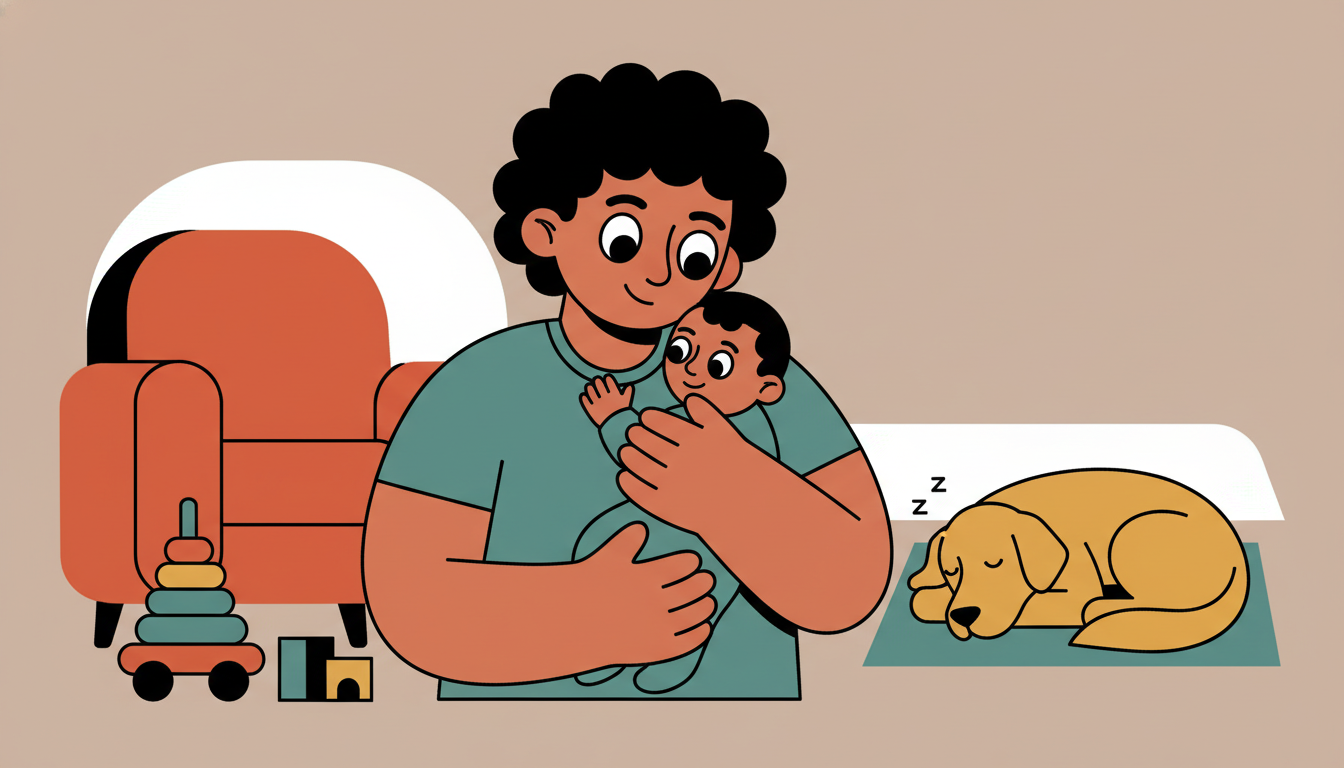
When your baby is upset or distressed, respond with both physical comfort and empathetic words. Hold them close and say things like, "I see you're sad. I'm here with you." Your tone and presence matter more than the exact words. This teaches your baby that when they feel bad, someone cares and will help. Over time, this becomes their model for responding to others.
Parte del percorso di sviluppo Steadily — personalizzato per il tuo bambino.
Come svolgere questa attività
When your baby is upset or distressed, respond with both physical comfort and empathetic words. Hold them close and say things like, "I see you're sad. I'm here with you." Your tone and presence matter more than the exact words. This teaches your baby that when they feel bad, someone cares and will help. Over time, this becomes their model for responding to others.
Perché funziona
Showing empathy to your baby when they're distressed builds their capacity for empathy and emotional understanding. Empathy emerges from being understood empathetically. Research shows that when parents show empathy, they create a safe space for children to express themselves, reducing isolation and anxiety (Bhansali, 2023). This responsive caregiving predicts better emotional regulation and fewer behavioral problems (Liu et al., 2020).
Consigli per i genitori
Your calm presence is the most important part of comforting.
It's okay if they don't stop crying right away. Your steady response still matters.
This works during daily moments like when they bump their head or feel tired.
Materiali necessari
None
Metodi di apprendimento
Responsive InteractionSensory Exploration

Ti è piaciuta questa attività? Lascia che siamo noi a pianificare per te.
Steadily personalizza ogni attività per il tuo bambino — i suoi interessi, la sua fase di crescita, i tratti che sta sviluppando — così il momento del gioco è più divertente e ogni istante conta.
Scopri come funziona Steadily →