I can't do it yet
3–4 सालSuccess Mindsetकिसी सामग्री की आवश्यकता नहीं है
When your child says 'I can't do it,' add the word 'yet' to the end. Practice using 'yet' language together throughout your activities. Make it playful and notice when your child starts using it on their own. Celebrate when you hear them say 'I can't do it yet.'
Steadily की विकासात्मक यात्रा का हिस्सा — जो तुम्हारे बच्चे के लिए व्यक्तिगत रूप से तैयार की गई है।
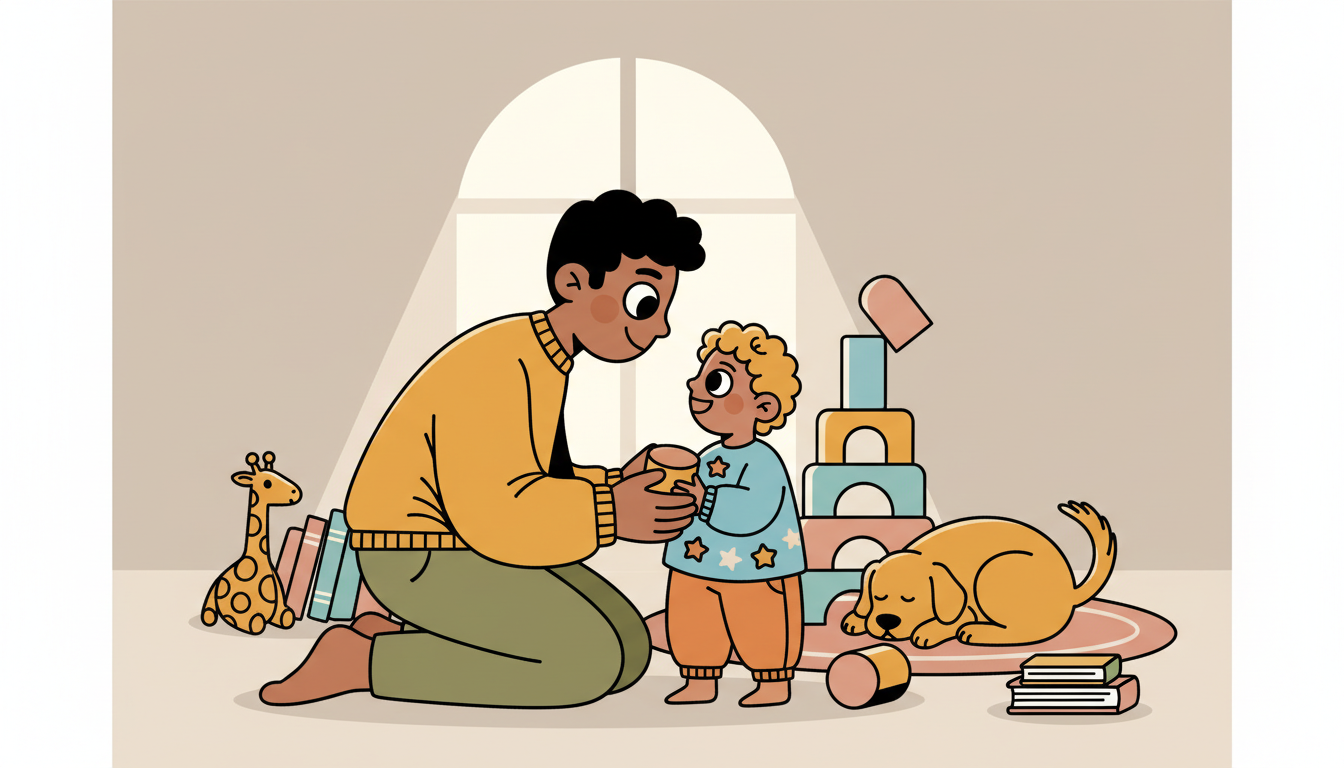
यह गतिविधि कैसे करें
When your child says 'I can't do it,' add the word 'yet' to the end. Practice using 'yet' language together throughout your activities. Make it playful and notice when your child starts using it on their own. Celebrate when you hear them say 'I can't do it yet.'
यह क्यों काम करता है
The word 'yet' fundamentally changes how children think about their abilities. It transforms a statement of inability into a statement about current status and future potential. Research shows that children who adopt growth mindset language show greater persistence and develop stronger skills over time, with parents' growth mindset beliefs directly influencing children's persistence.
(Song, Y., Barger, M. M., & Bub, K. L. (2022). Growth mindset and children's persistence and academic skills. Frontiers in Education, 6, 791652.)
माता-पिता के लिए टिप्स
Model 'yet' language yourself: 'I can't open this jar yet. Let me try twisting harder.'
When your child uses 'yet' naturally, acknowledge it warmly: 'I heard you say yet. That shows you know you'll get better with practice.' Don't turn this into pressure. Keep it light and positive.
ज़रूरी सामग्री
None
सीखने के तरीके
Inquiry-Based LearningStructured Learning ActivitiesProject-Based Learning

यह गतिविधि पसंद आई? चलो, प्लानिंग हम तुम्हारे लिए कर देते हैं या योजना बनाने का काम हम पर छोड़ दो।
Steadily हर गतिविधि को तुम्हारे बच्चे की रुचियों, उनके पड़ाव, और जिन गुणों को वे विकसित कर रहे हैं उनके अनुसार तैयार करता है — ताकि खेल का समय और मज़ेदार हो और हर पल काम आए।
जानो कि Steadily कैसे काम करता है →