The two-choice solution
3–4 ansFamily ConnectionAucun matériel nécessaire
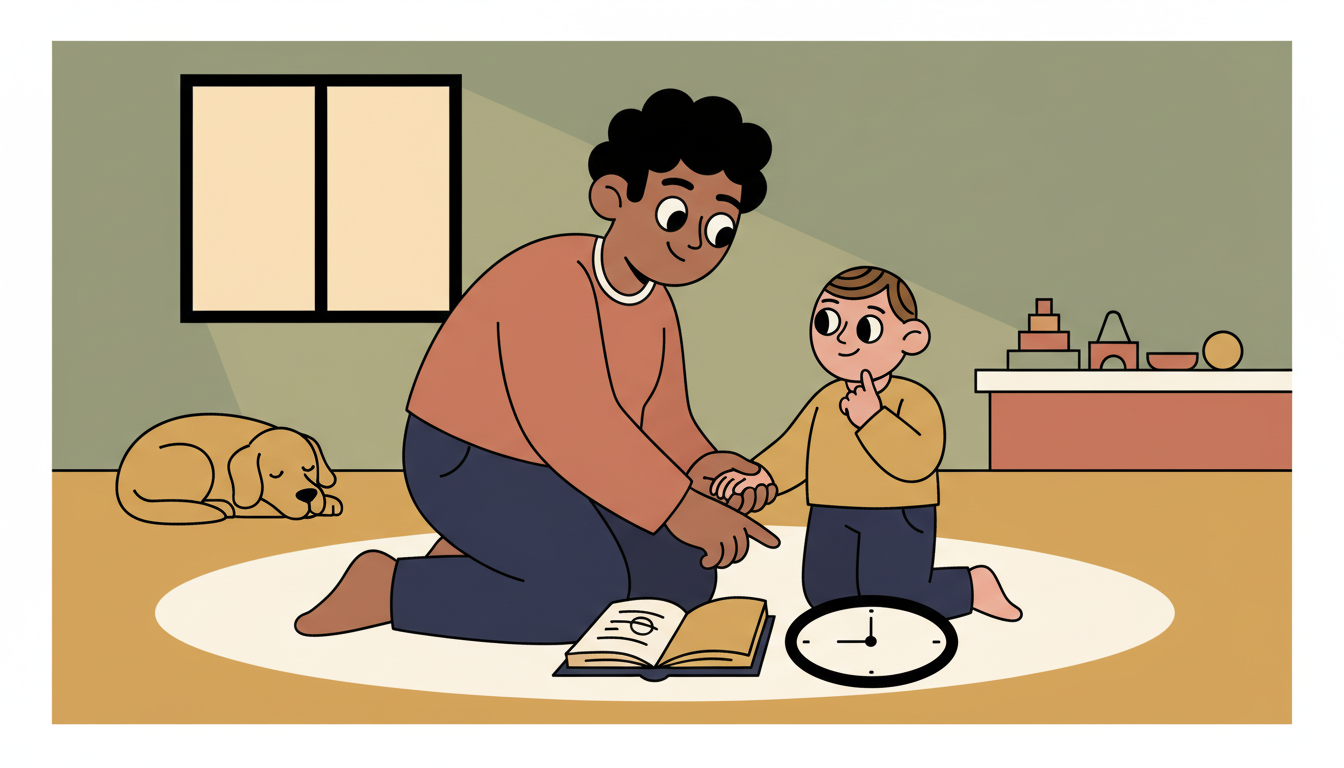
When you and your child disagree, offer two acceptable choices instead of a yes or no decision. For example, if they don't want to leave the park, say 'We can leave now and read two books at home, or leave in five minutes and read one book.' This teaches negotiation and gives them some control while still meeting your needs.
Fait partie du parcours de développement Steadily — personnalisé pour ton enfant.
Comment faire cette activité
When you and your child disagree, offer two acceptable choices instead of a yes or no decision. For example, if they don't want to leave the park, say 'We can leave now and read two books at home, or leave in five minutes and read one book.' This teaches negotiation and gives them some control while still meeting your needs.
Pourquoi ça marche
Collaborative problem-solving approaches predict better parent-child relationships during adolescence and young adulthood (Robin & Foster, 1989). Starting this practice now teaches children that their preferences matter and that working together leads to solutions everyone can accept. This builds the foundation for healthy negotiation skills throughout life.
Conseils pour les parents
Make sure both choices work for you. Don't offer options you can't accept.
Let your child think about the choices. Give them time to decide.
Stick to the choice they make. This builds trust in the negotiation process.
Matériel nécessaire
None
Méthodes d'apprentissage
Collaborative and Cooperative PlayNarrative and Literacy-Rich ExperiencesStructured Learning Activities

Tu as aimé cette activité ? Laisse-nous planifier pour toi.
Steadily personnalise chaque activité pour ton enfant — ses centres d'intérêt, son stade de développement, les traits qu'il développe — pour que le jeu soit plus amusant et que chaque instant compte.
Découvre comment fonctionne Steadily →