Feelings and truth talk
2–3 ansSuccess MindsetAucun matériel nécessaire
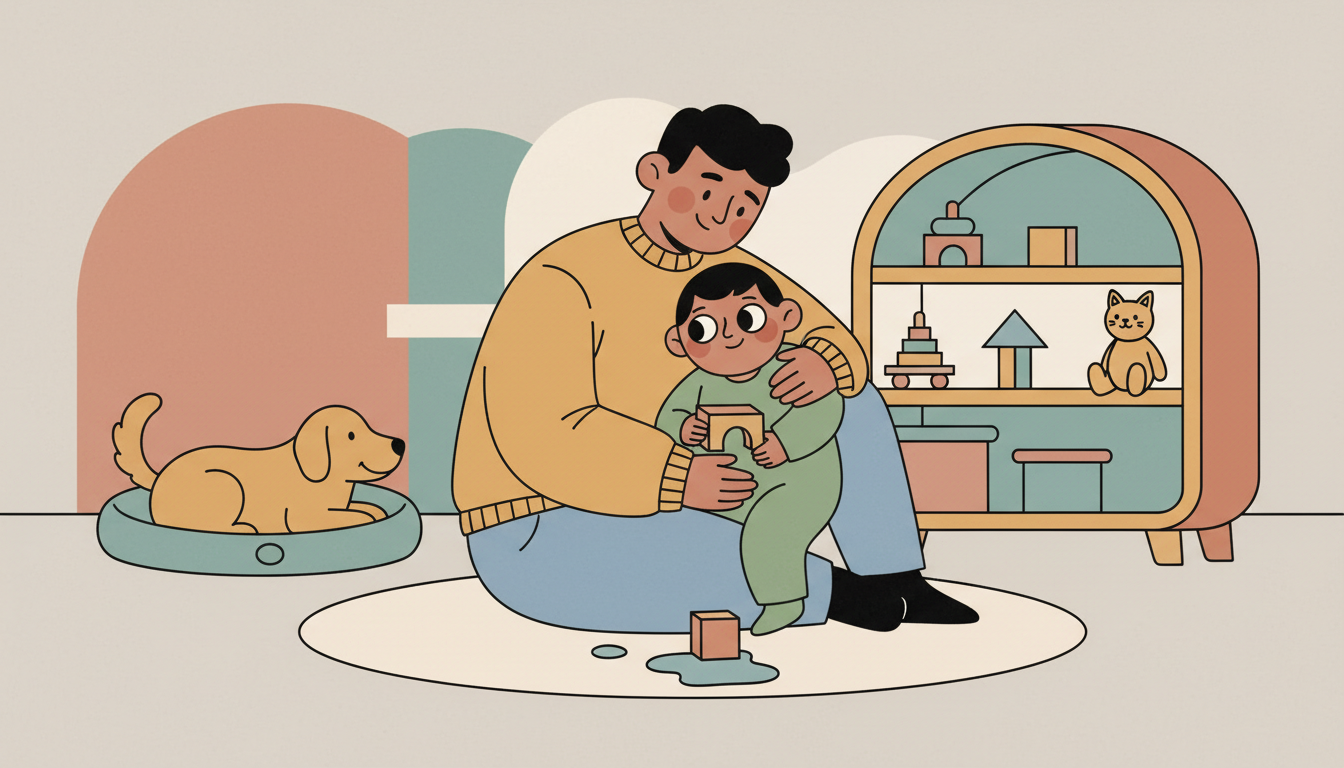
When situations arise during play where your child might be tempted to hide the truth, acknowledge their feelings first. You might say, "I see you're worried about telling me you spilled something. It's okay to tell me." Keep your tone calm and supportive. Then praise them when they share what happened.
Fait partie du parcours de développement Steadily — personnalisé pour ton enfant.
Comment faire cette activité
When situations arise during play where your child might be tempted to hide the truth, acknowledge their feelings first. You might say, "I see you're worried about telling me you spilled something. It's okay to tell me." Keep your tone calm and supportive. Then praise them when they share what happened.
Pourquoi ça marche
Harsh punishment for truth-telling increases dishonesty in children, while praising honesty even when admitting mistakes is most effective. Children showing early honesty and accountability demonstrate better long-term career stability (Peterson & Seligman, 2004). Creating a safe environment for truth-telling builds the foundation for lifelong integrity.
Conseils pour les parents
Young children need to feel safe telling the truth. Create a calm environment where honesty is valued more than perfection.
When your child tells the truth about something difficult, thank them specifically. Say, "I'm glad you told me the truth. That takes courage."
Matériel nécessaire
None
Méthodes d'apprentissage
Symbolic and Pretend PlaySongs, Stories, and Rhymes

Tu as aimé cette activité ? Laisse-nous planifier pour toi.
Steadily personnalise chaque activité pour ton enfant — ses centres d'intérêt, son stade de développement, les traits qu'il développe — pour que le jeu soit plus amusant et que chaque instant compte.
Découvre comment fonctionne Steadily →