Supported sitting practice
0–6 mesesEmotional WellbeingMateriales: Pillows or cushions for support
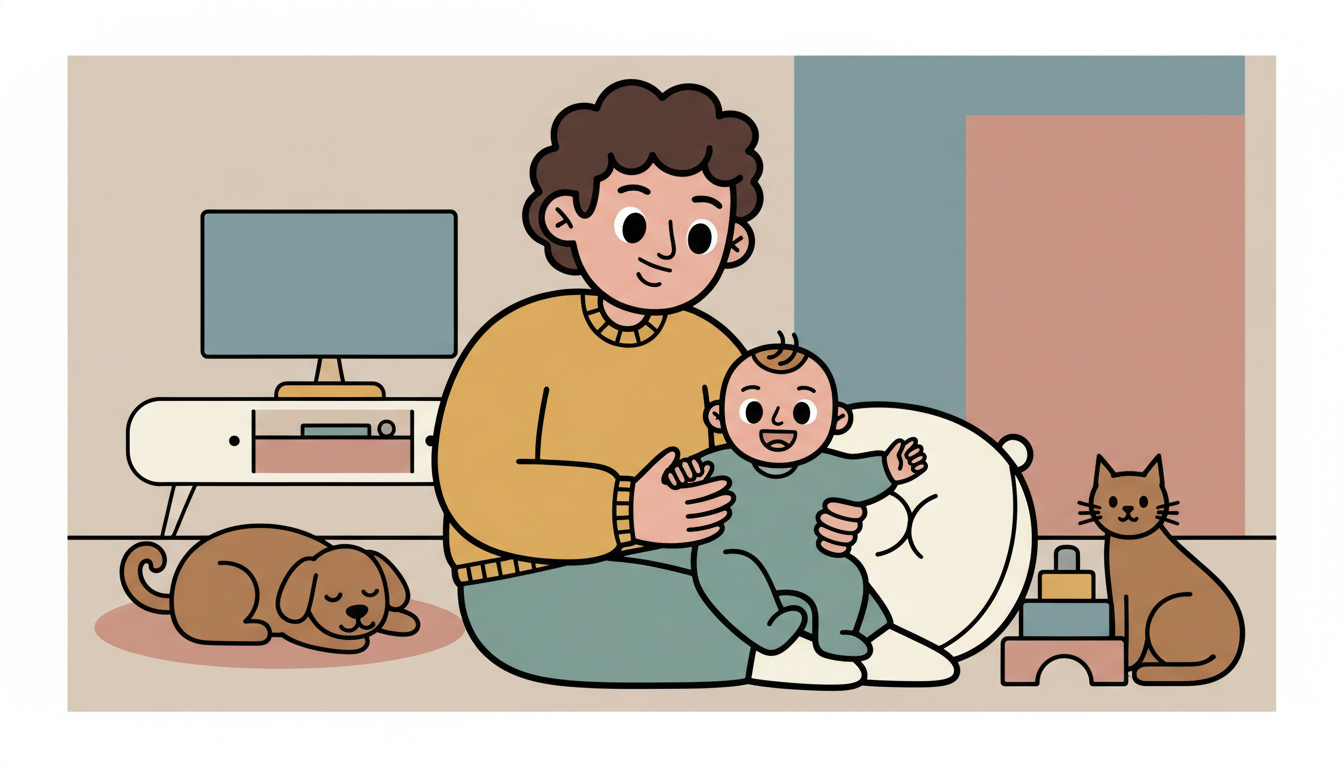
Around four to six months, support your child in a sitting position with pillows or your hands. Let them work to balance for brief moments while staying close. They may wobble or tip, but catch them gently and help them try again. Keep sessions short, about two to three minutes. This builds both physical strength and confidence in recovering from small setbacks.
Parte del viaje de desarrollo de Steadily — personalizado para tu peque.
Cómo hacer esta actividad
Around four to six months, support your child in a sitting position with pillows or your hands. Let them work to balance for brief moments while staying close. They may wobble or tip, but catch them gently and help them try again. Keep sessions short, about two to three minutes. This builds both physical strength and confidence in recovering from small setbacks.
Por qué funciona
Motor skill development provides natural opportunities for manageable challenges. When children experience wobbling and recovery with your support, they learn that setbacks are part of learning. This builds the problem-solving skills and positive self-concept that research identifies as protective factors for resilience. Children with higher emotional and behavioral resilience show significantly better outcomes in later years (Liew et al., 2008). Movement-based learning connects physical and emotional development, strengthening both domains simultaneously.
Consejos para padres
Watch for signs of fatigue like fussiness or looking away. Stop before they become frustrated.
Celebrate their effort with smiles and encouraging words. Your positive response builds their confidence.
Make it playful. Sitting practice works well when they are reaching for toys or facing you.
Materiales necesarios
Pillows or cushions for support
Métodos de aprendizaje
Responsive InteractionMovement-Based Learning

¿Te encantó esta actividad? Deja que nosotros planifiquemos por ti.
Steadily personaliza cada actividad para tu hijo/a —sus intereses, su etapa, los rasgos que está desarrollando— para que la hora de jugar sea más divertida y cada momento cuente.
Descubre cómo funciona Steadily →