Name feelings together
0–6 mesesFamily ConnectionNo se necesitan materiales
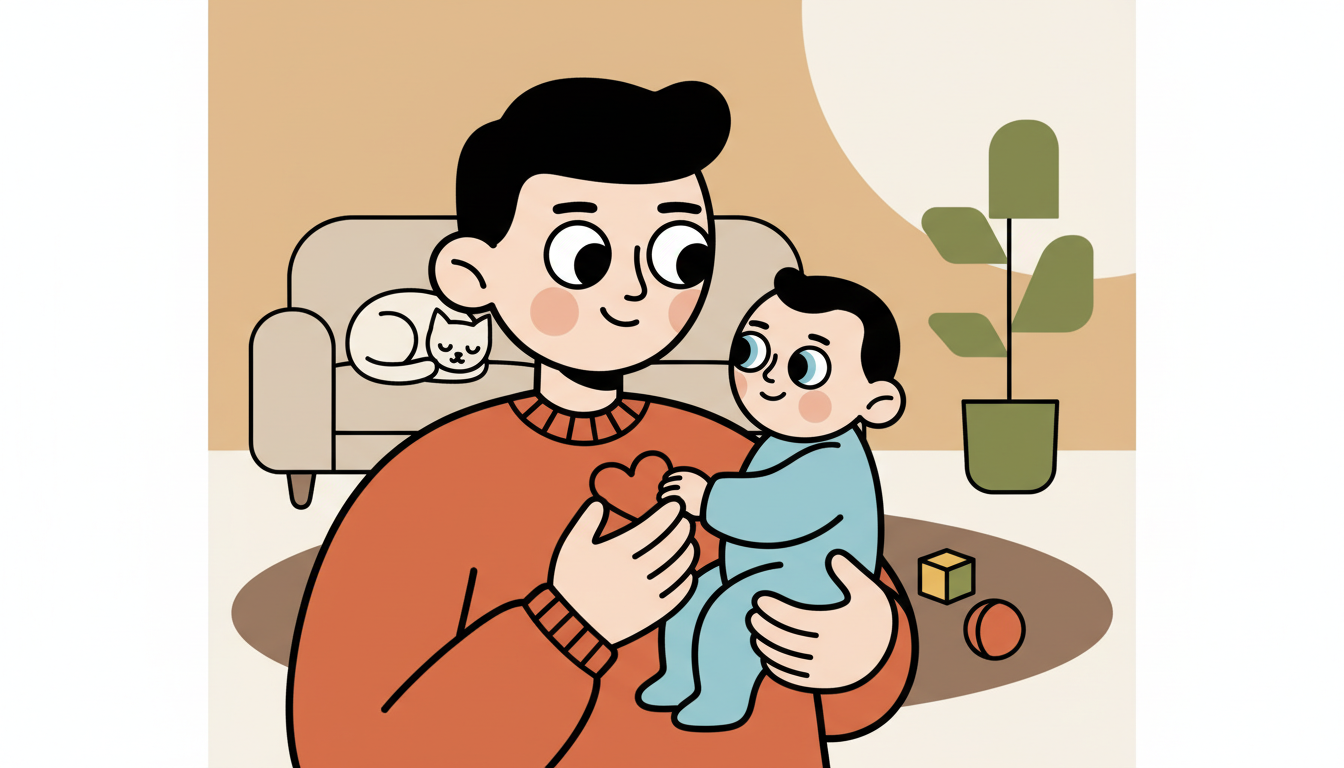
When your child cries or fusses, name what they might be feeling. Say things like "You seem frustrated" or "I hear you're upset." This begins their journey of understanding emotions. When you name feelings calmly, you show that emotions are manageable and can be talked about.
Parte del viaje de desarrollo de Steadily — personalizado para tu peque.
Cómo hacer esta actividad
When your child cries or fusses, name what they might be feeling. Say things like "You seem frustrated" or "I hear you're upset." This begins their journey of understanding emotions. When you name feelings calmly, you show that emotions are manageable and can be talked about.
Por qué funciona
Naming emotions during distress builds emotional awareness that underlies conflict resolution. When children learn to identify and express feelings, they develop skills for managing disagreements. Research shows children who learn these skills early demonstrate 40% better social competence and leadership abilities (Johnson & Johnson, 1996).
Consejos para padres
Use a calm, matter-of-fact tone when naming emotions.
You don't need to fix the feeling, just acknowledge it.
This simple practice helps your child begin to understand their internal experiences.
Materiales necesarios
None
Métodos de aprendizaje
Responsive Interaction

¿Te encantó esta actividad? Deja que nosotros planifiquemos por ti.
Steadily personaliza cada actividad para tu hijo/a —sus intereses, su etapa, los rasgos que está desarrollando— para que la hora de jugar sea más divertida y cada momento cuente.
Descubre cómo funciona Steadily →