Feelings and truth talk
2–3 añosSuccess MindsetNo se necesitan materiales
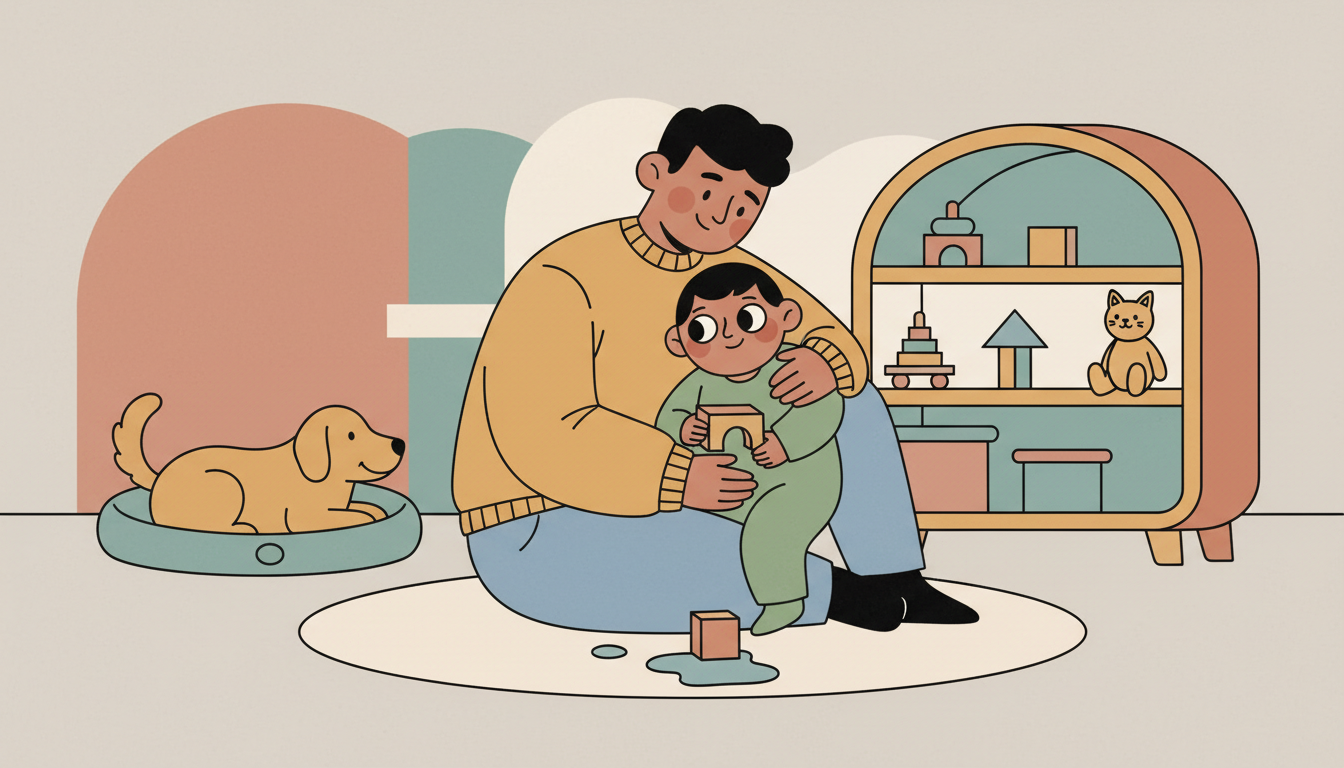
When situations arise during play where your child might be tempted to hide the truth, acknowledge their feelings first. You might say, "I see you're worried about telling me you spilled something. It's okay to tell me." Keep your tone calm and supportive. Then praise them when they share what happened.
Parte del viaje de desarrollo de Steadily — personalizado para tu peque.
Cómo hacer esta actividad
When situations arise during play where your child might be tempted to hide the truth, acknowledge their feelings first. You might say, "I see you're worried about telling me you spilled something. It's okay to tell me." Keep your tone calm and supportive. Then praise them when they share what happened.
Por qué funciona
Harsh punishment for truth-telling increases dishonesty in children, while praising honesty even when admitting mistakes is most effective. Children showing early honesty and accountability demonstrate better long-term career stability (Peterson & Seligman, 2004). Creating a safe environment for truth-telling builds the foundation for lifelong integrity.
Consejos para padres
Young children need to feel safe telling the truth. Create a calm environment where honesty is valued more than perfection.
When your child tells the truth about something difficult, thank them specifically. Say, "I'm glad you told me the truth. That takes courage."
Materiales necesarios
None
Métodos de aprendizaje
Symbolic and Pretend PlaySongs, Stories, and Rhymes

¿Te encantó esta actividad? Deja que nosotros planifiquemos por ti.
Steadily personaliza cada actividad para tu hijo/a —sus intereses, su etapa, los rasgos que está desarrollando— para que la hora de jugar sea más divertida y cada momento cuente.
Descubre cómo funciona Steadily →