Two-way decision making
4–5 JahreFamily ConnectionKeine Materialien erforderlich
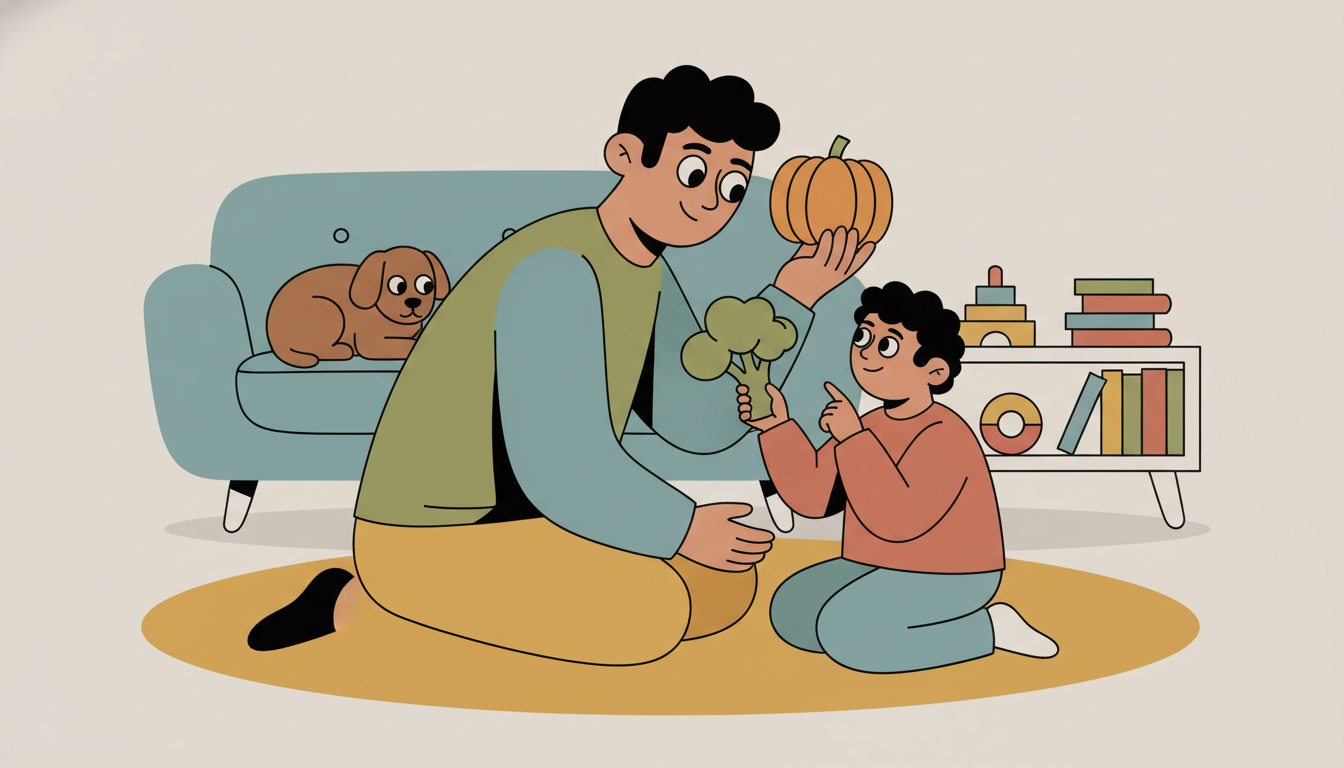
During daily choices, practice making decisions together. Let your child choose between two appropriate options you provide, then explain your reasoning when you make choices. Take turns being the decision maker for small matters like which vegetable to have with dinner or which park to visit. This shows that both perspectives matter.
Teil der Steadily-Entwicklungsreise — personalisiert für dein Kind.
So geht diese Aktivität
During daily choices, practice making decisions together. Let your child choose between two appropriate options you provide, then explain your reasoning when you make choices. Take turns being the decision maker for small matters like which vegetable to have with dinner or which park to visit. This shows that both perspectives matter.
Warum es funktioniert
Reciprocal decision-making demonstrates mutual respect in action. Adults who report high levels of mutual respect and trust with parents experience greater emotional closeness and 35% lower conflict rates, with mutual respect established in childhood predicting stronger adult relationships (Laursen & Collins, 2009). At this age, children can understand cause-effect relationships and benefit from seeing how decisions are made respectfully.
Tipps für Eltern
Offer genuine choices where you can accept either option. Avoid offering choices about non-negotiables like safety rules.
Explain your thinking when you make decisions. Say things like, "I chose carrots because we have not had them this week" to model respectful reasoning.
Benötigte Materialien
None
Lernmethoden
Cooperative LearningMetacognitive StrategiesProject-Based and Thematic Learning

Hat dir diese Aktivität gefallen? Lass uns die Planung für dich übernehmen.
Steadily personalisiert jede Aktivität für dein Kind — seine Interessen, seine Entwicklungsstufe, die Eigenschaften, die es aufbaut — damit die Spielzeit mehr Spaß macht und jeder Moment zählt.
Erfahre, wie Steadily funktioniert →